






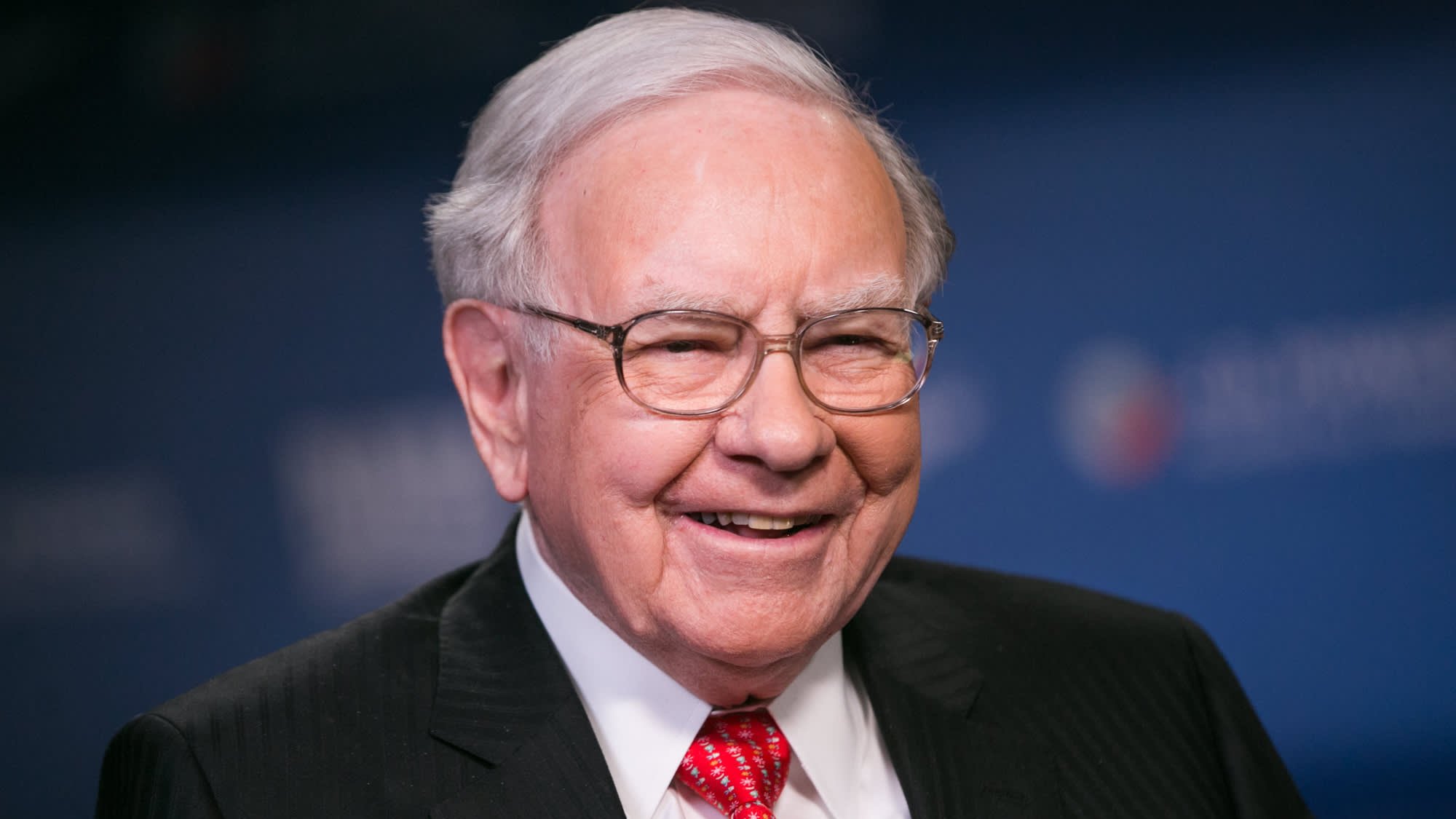
Berkshire Hathaway has filed its Q3 2025 13F, which details the conglomerate’s buying and selling activity in the quarter. Here, we’ll discuss the key takeaways from the report and examine the companies that the Warren Buffett-led company bought and sold last quarter.
Berkshire added Alphabet shares in Q3
Berkshire disclosed a new, substantial position in Alphabet’s Class A shares, valued at approximately $4.3 billion. This marks a notable foray into a big-tech name and is one of the largest buys of the quarter. Notably, Buffett previously admitted to missing out on names like Amazon and Google. While we don’t know whether buying Alphabet was Buffett’s decision, it is rare for the conglomerate to invest in tech stocks.
Apart from Alphabet, Berkshire added significantly to its position in the global insurance company Chubb, increasing its stake by about 15.9%. This move reinforces the company’s confidence in the insurance sector, a core part of Berkshire’s own business. Berkshire also added to its existing positions in Domino’s Pizza (DPZ), SiriusXM, and Lamar Advertising.
Berkshire continues to sell Apple shares
The company trimmed its massive stake in Apple by nearly 15% or nearly 41.8 million shares, and held around 238 million shares at the end of September
Notably, Berkshire sold the bulk of its Apple stake last year and held 300 million shares at the end of the year. The round figure raised hopes that the “Oracle of Omaha” was done with selling Apple shares, and the perception gained traction after Berkshire left Apple holdings unchanged in Q1. However, Buffett resumed selling Apple shares in Q2, and it only intensified in Q3.
At Berkshire Hathaway’s last year’s annual meeting, Buffett alluded that the decision to sell Apple shares was based on tax considerations, especially on hopes that taxes might need to rise to fund the burgeoning US fiscal deficit.
For context, Buffett started investing in Apple way back in 2016 and gradually built the stake into the largest holding in Berkshire’s portfolio of publicly traded securities. The “Oracle of Omaha,” as Buffett is popularly known as has kept adding to Apple shares until the third quarter of 2018.
Meanwhile, despite the significant sale, Apple remains Berkshire’s single largest stock holding, dominating the portfolio.
Buffett sold more Bank of America shares
Berkshire continued to reduce its holding in the financial giant, selling approximately 6.15% of its shares. Historically, Buffett tried to keep Berkshire’s stake in banks below 10% to avoid regulatory scrutiny. He, however, made an exception for Bank of America and took regulatory approval to hike the stake beyond 10, making Berkshire the company’s biggest shareholder.
Bank of America eventually became Berkshire’s second-biggest holding behind Apple. However, American Express holds that spot now, with Bank of America slipping to the third spot.
Looking at other portfolio adjustments, Berkshire completely sold out of its stake in the homebuilder D.R. Horton, which it had added relatively recently.
Berkshire was a net seller of shares
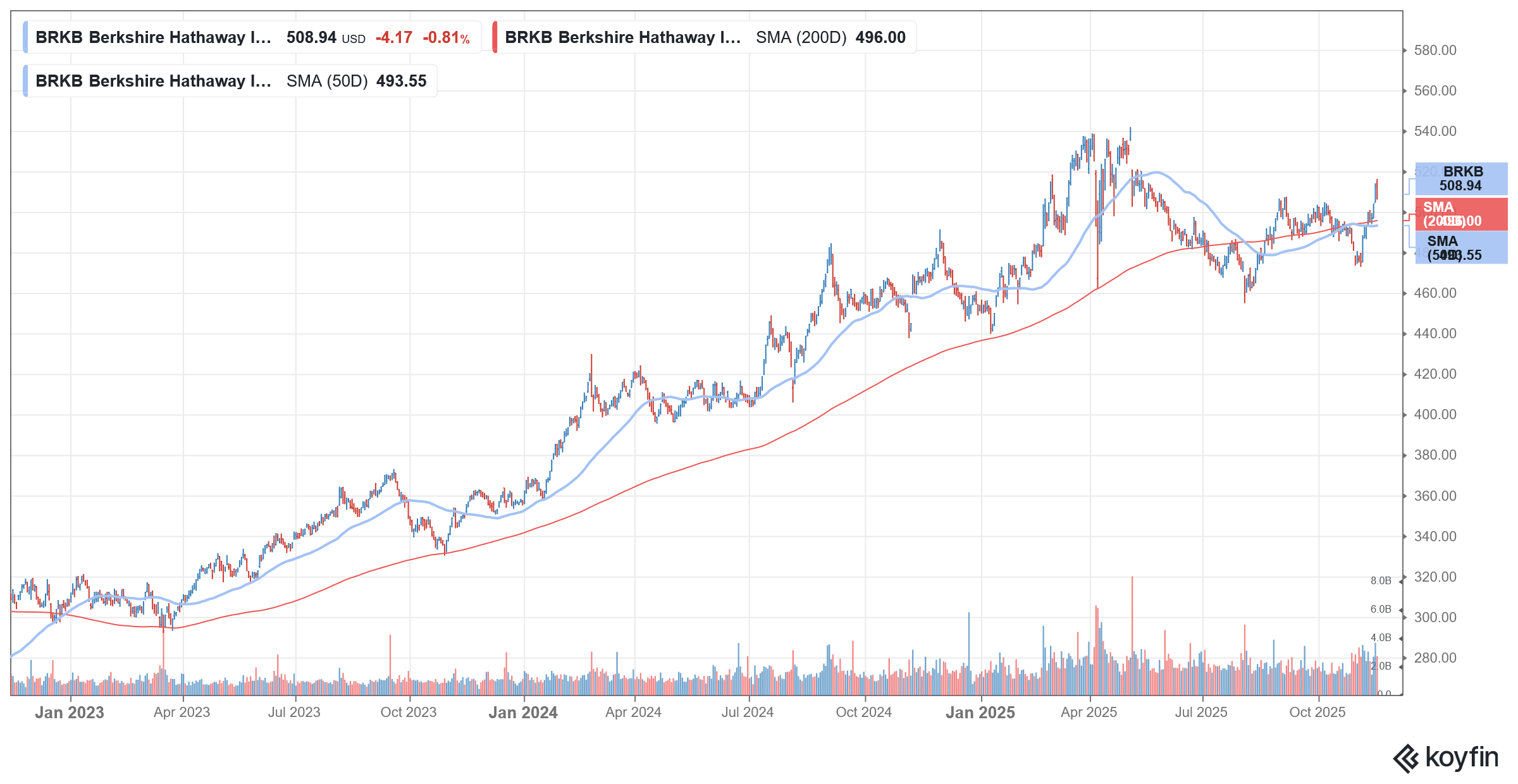
Berkshire net sold shares (more shares sold than bought) worth $6.1 billion in Q3 and ended the quarter with a record cash pile of $381.7 billion. It was the 12th consecutive quarter when the conglomerate sold more shares than it bought, which, coupled with the operating cash flows, has helped catapult its cash pile to record highs.
To gauge the size of the company’s cash pile, consider the fact that Berkshire now owns over 5% of all outstanding U.S. Treasury bills.
Responding to a question over the burgeoning cash pile, during this year’s annual shareholder meeting, Buffett said, “We have made a lot of money by not wanting to be fully invested at all times.”
The nonagenarian, however, dismissed the idea that he is stockpiling the cash for his successor, Greg Abel, and joked, “I wouldn’t do anything nearly so noble.” Notably, Buffett has announced his retirement, and Abel will step into his shoes next year.
Previously, in this year’s annual letter, Buffett had said, “Berkshire shareholders can rest assured that we will forever deploy a substantial majority of their money in equities – mostly American equities, although many of these will have international operations of significance.”
Berkshire has been on a selling spree
“Berkshire will never prefer ownership of cash-equivalent assets over the ownership of good businesses, whether controlled or only partially owned,” added Buffett in the letter.
Buffett, however, hinted that he does not find market valuations attractive and said, “We are impartial in our choice of equity vehicles, investing in either variety based upon where we can best deploy your (and my family’s) savings.” The nonagenarian added, “Often, nothing looks compelling; very infrequently, we find ourselves knee-deep in opportunities.”
Buffett has cautioned about soaring budget deficits
Along with valuations, Buffett has also been cautioning about higher fiscal deficits, and at this year’s annual meeting, he said, “Paper money can see its value evaporate if fiscal folly prevails. In some countries, this reckless practice has become habitual, and, in our country’s short history, the U.S. has come close to the edge.”
Notably, last month, the gross national debt of the United States surpassed a staggering $38 trillion, reaching a new, concerning milestone that underscores the nation’s accelerating fiscal imbalance. This record high, as reported by the Treasury Department, is particularly alarming due to the unprecedented speed at which the debt is accumulating, marking the fastest rise of a trillion dollars outside of the COVID-19 pandemic era.
Meanwhile, the US budget deficit fell $41 billion to $1.775 trillion in the fiscal year 2025 that ended in September. The lower deficit was led by $195 billion in tariff receipts, thanks to the broad-based tariffs that President Donald Trump has imposed. Also, the education spending cuts helped lower the deficit despite lower corporate tax receipts.
The US budget deficit hit a record high of $3.13 trillion in the fiscal year 2021. The surge was understandable as the economy needed support during the pandemic. The deficit came down to $2.77 trillion in the fiscal year 2022. It fell further to $1.38 trillion in the next fiscal year, and while it was much below the previous year, it was significantly higher than in pre-pandemic times, when the deficit was contained below $1 trillion. However, in the fiscal year 2024, the budget deficit increased to $1.8 trillion.
 Share
Share

Mohit Oberoi

Question & Answers (0)