



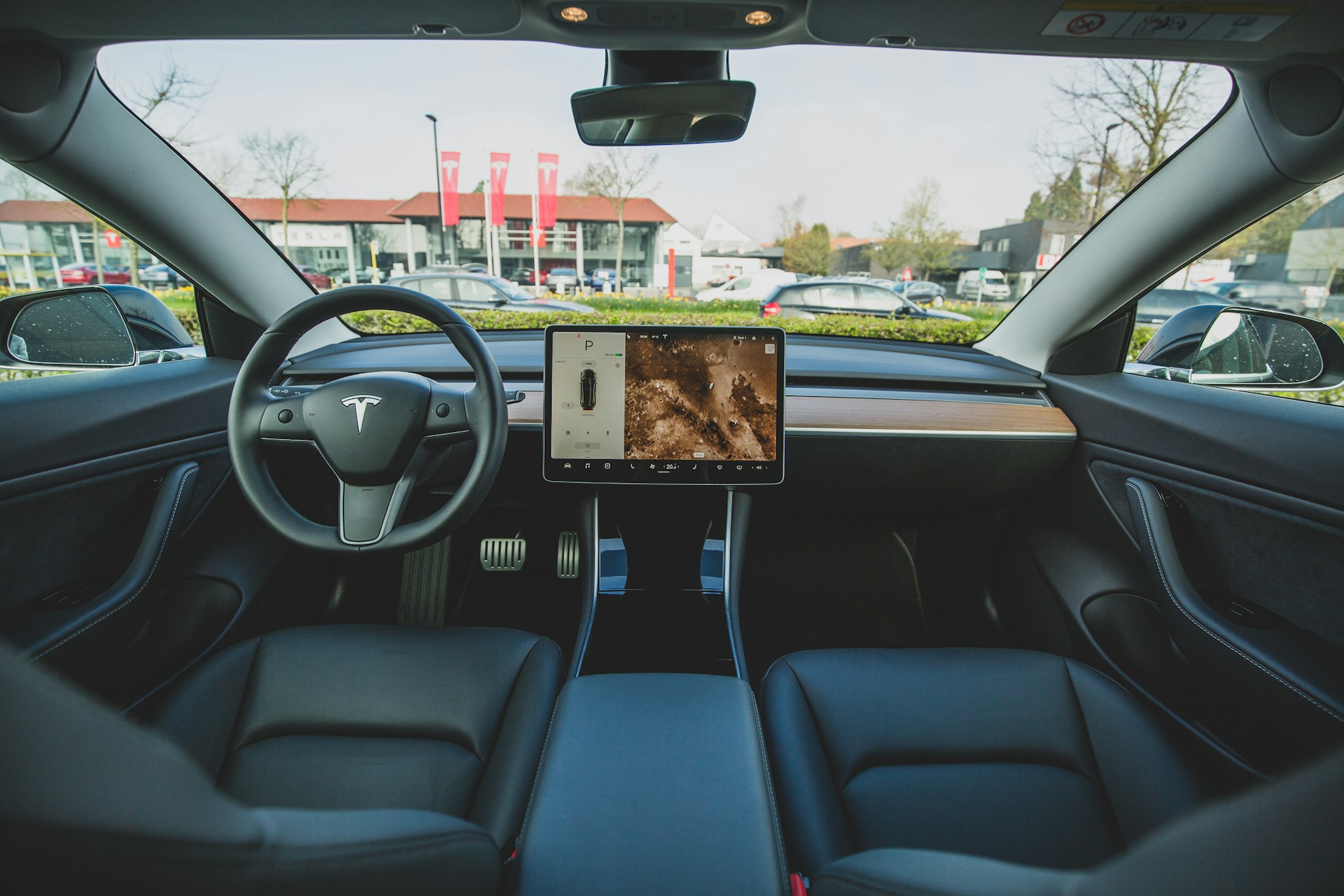
A California administrative law judge has ruled that Tesla (NYSE: TSLA) engaged in deceptive practices by overstating the capabilities of its “Autopilot” and “Full Self-Driving” (FSD) systems. The ruling is the culmination of a multi-year battle with the California Department of Motor Vehicles (DMV) and could lead to a temporary ban on Tesla sales in its most vital US market.
California judge rules Tesla engaged in deceptive marketing
The judge found that Tesla’s branding and advertisements created a misleading “net impression” that its vehicles were capable of autonomous operation. Specifically, the DMV argued, and the judge agreed, that the names “Autopilot” and “Full Self-Driving Capability” imply a level of autonomy that the cars do not possess.
In her proposed order, Administrative Law Judge Juliet E. Cox said, While Tesla includes fine-print disclaimers stating that drivers must remain attentive, the judge ruled these did not negate the flashy, overarching claims that the systems could conduct trips “with no action required” by the driver.
“A reasonable consumer likely would believe that a vehicle with Full Self-Driving Capability can travel safely without a human driver’s constant, undivided attention,” the judge wrote in the proposed order. She added, “This belief is wrong — both as a technological matter and as a legal matter — which makes the name Full Self-Driving Capability misleading.”
TSLA’s autonomous driving software is not fully autonomous
While marketed as autonomous, these systems are technically classified as SAE Level 2 driver-assist features, which legally and technically require constant human supervision.
Following the judge’s recommendation, the DMV initially moved to suspend Tesla’s manufacturing and sales licenses in California for 30 days. However, recognizing the massive economic impact such a move would have, the regulator has offered a path to compliance, and the 30-day sales ban has been put on hold for 90 days. Tesla must use this window to “remedy the situation” by removing or correcting misleading language on its website and marketing materials. The suspension of Tesla’s manufacturing license (affecting the Fremont factory) has been permanently stayed, ensuring production continues regardless of the marketing dispute.
Tesla is expected to appeal the ruling
Tesla has remained defiant, with legal representatives arguing that the company has “clearly and consistently” informed owners that the software requires active supervision. In a statement following the ruling, Tesla categorized the decision as a “consumer protection” order regarding terminology rather than a finding of technical failure, noting that “not one single customer” had come forward as a witness in this specific DMV case.
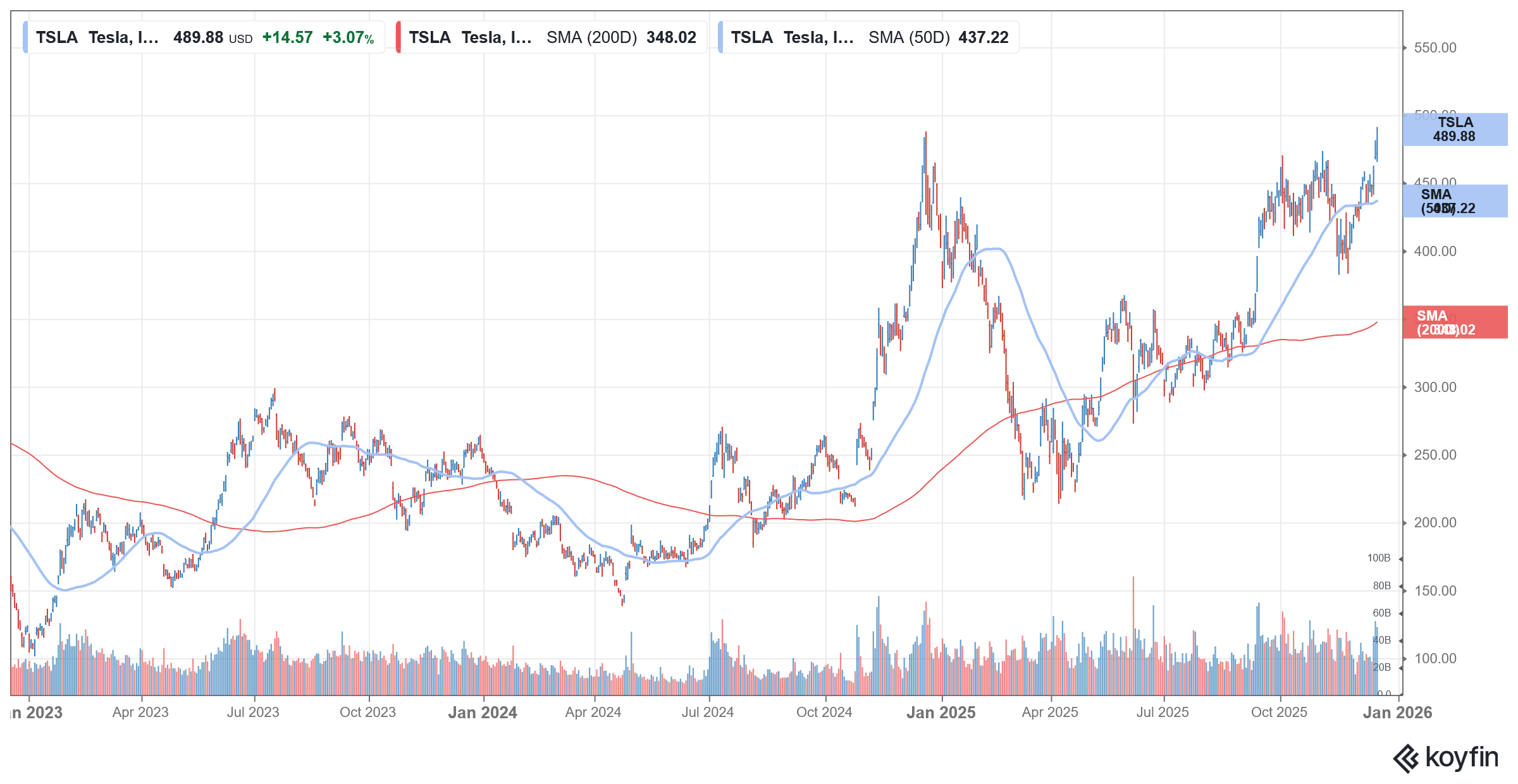
Tesla is expected to appeal the ruling, either through the DMV’s internal processes or the California court system. Meanwhile, despite the ruling, Tesla shares reached record highs recently, driven by optimism around its unsupervised robotaxi tests in Austin. Notably, the California ruling comes at a time when Tesla is looking to expand its robotaxi service to other US cities as well as other countries.
To be sure, this is not the first time that Tesla’s autonomous driving software and its advanced version, FSD, are facing scrutiny. There have been multiple instances of crashes involving Autopilot, and the National Highway Traffic Safety Administration (NHTSA) has been investigating several crash incidents when the autonomous driving feature was engaged.
In October, the agency opened a new and expansive investigation into Tesla’s FSD system. The probe covers nearly 2.9 million Tesla vehicles equipped with the FSD software and follows multiple reports of the system causing vehicles to commit traffic safety violations.
Ralph Nader called for a ban on FSD
Many have been critical of the safety aspects of Tesla FSD. In 2022, former US presidential candidate Ralph Nader called for a ban on FSD. Nader said, “I am calling on federal regulators to act immediately to prevent the growing deaths and injuries from Tesla manslaughtering crashes with this technology.” He said that the FSD is “one of the most dangerous and irresponsible actions by a car company in decades.”
Later, during the Super Bowl in 2023, Dawn Project released a 30-second ad criticizing FSD’s deceptive marketing. The video showed a Tesla Model 3 allegedly running on FSD and said, “Tesla Full Self-Driving will run down a child in a school crosswalk, swerve into oncoming traffic, hit a baby in a stroller, go straight past stopped school buses, ignore do not enter signs and even drive on the wrong side of the road.”
The video said that “Tesla’s Full Self-Driving is endangering the public with deceptive marketing and woefully inept engineering.” It also posed the question of why the regulator allowed FSD in the first place.
Tesla commands a market cap above $1.5 trillion
Tesla commands a market cap of nearly $1.5 trillion. No automaker has even come close, and the company’s market cap is above the combined market cap of all leading automakers put together. Bears see Tesla as overvalued, citing comparisons with legacy automakers who have a much lower market cap while they deliver a lot more vehicles.
However, those who are bullish on Tesla see it as a tech company. FSD is among the businesses that have a high margin and can drive Tesla’s growth. The company’s CEO, Elon Musk, has also said on multiple occasions that the software part of the business would drive the real value in the long term.
Using an example, Musk said during the fourth-quarter 2020 earnings call that Tesla can generate as much revenue from robotaxis and FSD as it does from selling cars. He also said that such revenue would be gross profit and add to its net income.
Tesla lowered FSD prices to boost adoption
While Musk once said that FSD would cost $100,000 someday, the company raised the price from $10,000 to $15,000 in two tranches and eventually lowered the price to $8,000. Tesla has historically stated that the price of FSD would increase as the feature set improves and the system gets closer to true autonomy. However, with Chinese automotive companies offering self-driving features either for free or at a significantly lower price, it remains to be seen whether Tesla can raise FSD prices substantially higher.
 Share
Share
Mohit Oberoi

Question & Answers (0)